
Aligning garage door sensors is crucial for ensuring your garage door opens and closes reliably and safely. In this comprehensive guide, we’ll walk you through the process of aligning your garage door sensors, discuss common sensor problems, and offer practical troubleshooting tips. Whether you’re a DIY enthusiast or prefer professional assistance, this article will equip you with the knowledge to keep your garage door functioning smoothly.
Understanding Garage Door Sensors
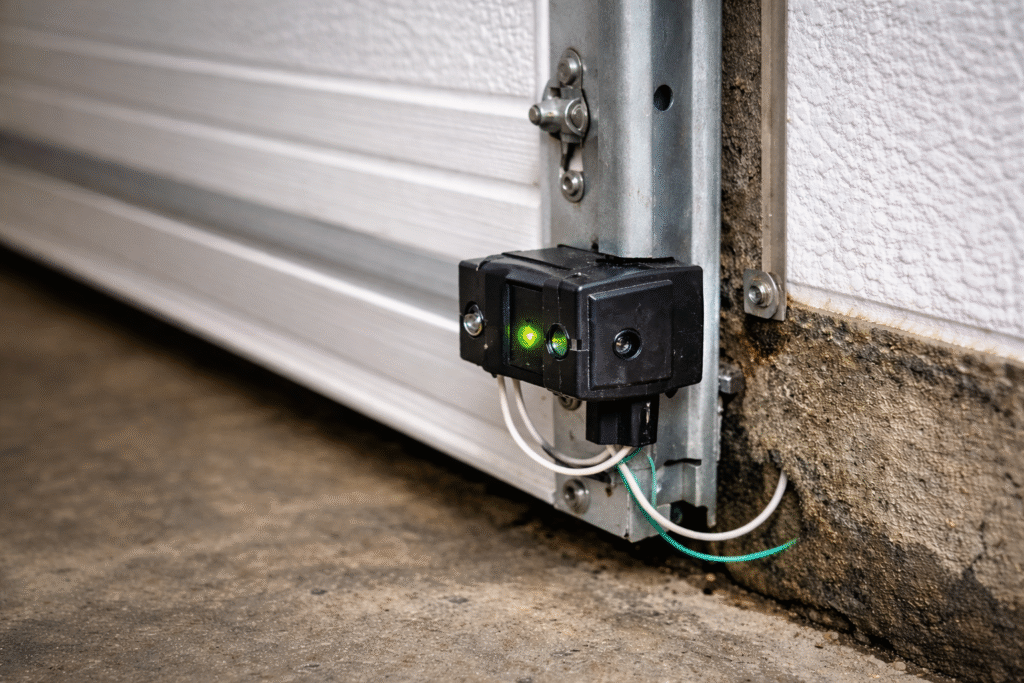
Garage door sensors, often referred to as photo eye sensors, play a vital role in the safety and functionality of your garage door system. These sensors are typically installed near the floor on either side of the garage door. Their primary function is to detect any obstructions in the path of the closing door, preventing accidents and ensuring your family’s safety. When these sensors are misaligned or malfunctioning, they can cause the garage door to not close properly.
How Garage Door Sensors Work
Garage door sensors work by sending an invisible infrared beam from one sensor to the other. If this beam is interrupted, the garage door opener receives a signal to stop closing and reverse the door’s direction. This safety mechanism prevents accidents and damage to objects or people in the door’s path. Hence, proper sensor alignment is crucial for the effective operation of your garage door.
Common Issues with Garage Door Sensors
Several issues can arise with garage door sensors, causing them to malfunction. These can include dirt or debris on the sensor lenses, misalignment, wiring issues, or even direct sunlight interference. It’s important to regularly check and maintain your sensors to avoid these problems. If you encounter persistent issues, consider reaching out to professional garage door repair services for expert assistance.
Importance of Sensor Alignment
Proper sensor alignment is essential not just for safety but also for the convenience of using your garage door. Misaligned sensors can lead to the door not closing, which can be frustrating and inconvenient, especially during Canadian winters. By ensuring your sensors are aligned, you can avoid unnecessary interruptions and maintain a seamless garage door operation.
DIY Guide to Aligning Garage Door Sensors
Aligning your garage door sensors is a relatively straightforward task that many homeowners can handle themselves. However, if you’re not comfortable with DIY projects, professional services are always available. Here’s a step-by-step guide to help you with the alignment process.
Tools and Materials You’ll Need
Before you start, gather the necessary tools and materials. You’ll typically need a screwdriver, a level, a measuring tape, and possibly a wrench or pliers. Having these tools on hand will make the alignment process smoother and more efficient.
Steps to Align Your Garage Door Sensors
Step 1: Power Off the Garage Door Opener
For safety reasons, the first step is to turn off the power to your garage door opener. This prevents any accidental activation while you’re working on the sensors.
Step 2: Clean the Sensor Lenses
Use a soft cloth to clean the lenses of the sensors. Dirt and debris can obstruct the infrared beam, causing the sensors to malfunction. Regular cleaning can help maintain clear sensor function.
Step 3: Check the Sensor Alignment
Use a level to ensure the sensors are aligned with each other. The infrared beam should pass directly between the sensors without obstruction. Adjust the sensors as needed to achieve proper alignment.
Step 4: Secure the Sensors
Once the sensors are aligned, tighten the screws or fasteners to secure them in place. This prevents them from moving out of alignment due to vibrations or accidental bumps.
Step 5: Test the Sensors
After aligning the sensors, turn the power back on and test the garage door. Ensure it closes smoothly without reversing. If the door still doesn’t close properly, further troubleshooting may be necessary.
Troubleshooting Common Sensor Issues
If your garage door sensors are still not functioning correctly after alignment, consider these troubleshooting tips:
- Check Wiring: Inspect the wires for any signs of damage or disconnection. Reconnect or replace wires as needed.
- Adjust Sensor Height: Ensure that both sensors are at the same height from the ground for optimal alignment.
- Look for Interference: Check if any objects or sunlight are interfering with the sensor beam and adjust accordingly.
Benefits of Professional Garage Door Sensor Repair
While DIY fixes can be effective, there are several advantages to hiring professionals for garage door sensor repairs. A certified technician can quickly diagnose and resolve complex issues, ensuring your garage door system operates safely and efficiently. Additionally, professional services often come with warranties, providing peace of mind and protecting your investment.
Expertise and Experience
Professional technicians have the expertise and experience to handle a wide range of sensor issues. They can identify problems that may not be immediately obvious to homeowners, ensuring a thorough and effective repair. If you need expert installation or repair services, consider contacting Fix One for assistance.
Time and Convenience
Hiring professionals saves you the time and hassle of troubleshooting and repairing sensor issues yourself. This is especially beneficial for busy homeowners who may not have the time to dedicate to these tasks. By scheduling a service with Fix One, you can ensure your garage door is repaired quickly and efficiently.
Safety and Reliability
Professional repairs ensure that your garage door sensors are functioning safely and reliably. This is crucial for preventing accidents and ensuring the security of your home. With expert repair services, you can trust that your garage door system is in good hands.
In conclusion, aligning your garage door sensors is a crucial task that can be handled either as a DIY project or with the help of professionals. By following the steps outlined in this guide, you can ensure your garage door operates smoothly and safely. For more complex issues or professional assistance, contact our certified technicians at Fix One for reliable and expert service.
Advanced Sensor Alignment Techniques
As we continue our exploration of aligning garage door sensors, it’s important to understand the nuances and challenges that may arise during this process. Whether you’re a seasoned DIY enthusiast or a homeowner looking to ensure the safety and reliability of your garage door, this guide provides the knowledge and tools necessary to achieve perfect sensor alignment.
Advanced Techniques for Sensor Troubleshooting
For those who have followed the initial steps but still encounter issues, advanced troubleshooting may be required. Understanding the intricacies of garage door sensors and their common problems can empower you to resolve lingering issues.
Inspecting Sensor Wiring
One common issue with garage door sensors is faulty wiring. Over time, wires can become frayed or disconnected, leading to sensor malfunctions. Carefully inspect the wiring connected to each sensor. Look for signs of wear, such as exposed wires or loose connections. If you discover any issues, replacing or repairing the wiring can restore proper function. For those unfamiliar with electrical work, consulting a professional for sensor repair is advisable.
Addressing Environmental Factors
Environmental factors can also affect the performance of garage door sensors. Direct sunlight can interfere with the infrared beam, causing false readings. If your sensors are exposed to sunlight, consider installing shades or repositioning them to minimize direct exposure. Additionally, ensure that the area around the sensors is free of obstructions, such as debris or cobwebs, that could impede their function.
Calibrating Sensor Sensitivity
Some sensors allow for sensitivity adjustments. If your sensors are overly sensitive or not sensitive enough, calibrating them can solve the problem. Refer to your garage door opener’s manual for instructions on adjusting sensitivity settings. Proper calibration ensures that the sensors accurately detect obstructions without unnecessary interruptions.
Comparing DIY and Professional Sensor Repair
When it comes to garage door sensor repair, homeowners have the option to tackle the task themselves or hire professionals. Each approach has its pros and cons, and understanding these can help you make an informed decision.
| Aspect | DIY Repair | Professional Repair |
|---|---|---|
| Cost | Lower cost, mainly for materials | Higher cost due to labour fees |
| Expertise Required | Basic mechanical and electrical skills | Comprehensive knowledge and experience |
| Time Commitment | Varies based on skill level | Typically faster resolution |
| Reliability | Depends on DIY skill and accuracy | High reliability with warranties |
For those confident in their DIY abilities, aligning sensors can be a rewarding project. However, if you prefer a guaranteed fix with minimal effort, professional services are a reliable choice.
Enhancing Garage Door Performance through Regular Maintenance
Beyond aligning sensors, maintaining the overall health of your garage door system is crucial for long-term performance. Regular maintenance can prevent sensor issues and extend the lifespan of your garage door.
Routine Inspections
Conducting routine inspections of your garage door system can help identify potential problems before they escalate. Check for signs of wear, such as rust on the tracks or fraying cables. Addressing these issues early can prevent more significant problems down the line. For comprehensive maintenance, consider scheduling professional maintenance services.
Lubrication of Moving Parts
Lubricating the moving parts of your garage door, such as hinges, rollers, and tracks, can reduce friction and prevent wear. Use a high-quality silicone or lithium-based lubricant to ensure smooth operation. Regular lubrication can also help maintain proper sensor alignment by minimizing vibrations.
Testing Safety Features
Regularly testing the safety features of your garage door, including the sensors and auto-reverse mechanism, is essential for ensuring safe operation. Place an object in the path of the closing door to test the sensors’ response. If the door does not reverse, further troubleshooting or professional repair may be necessary.
The Role of Climate in Sensor Functionality
In Canada, the climate can significantly impact the functionality of garage door sensors. Extreme temperatures, humidity, and seasonal changes can all affect sensor performance.
Cold Weather Considerations
During Canadian winters, cold temperatures can affect the sensors’ electrical components. If your sensors are not functioning correctly in the cold, consider using a space heater to warm the area temporarily. Additionally, ensure that the sensors are free of ice and snow, which can obstruct the infrared beam.
Humidity and Moisture
Moisture from rain or humidity can cause corrosion or short circuits in sensor wiring. Ensure that your garage is well-ventilated to prevent moisture buildup. Installing a dehumidifier can also help protect your garage door system from moisture-related issues.
Seasonal Adjustments
As seasons change, recalibrating your garage door sensors may be necessary to account for environmental shifts. Regularly checking and adjusting your sensors ensures they remain aligned and functional throughout the year.
Conclusion: Ensuring Reliable Garage Door Operation
Aligning garage door sensors is a vital task that contributes to the safety and reliability of your garage door system. By following the steps outlined in this guide and considering professional assistance when necessary, you can ensure that your garage door functions smoothly and safely. Whether you choose to tackle the alignment yourself or seek expert help, maintaining your garage door is an investment in the safety and convenience of your home.
For more complex issues or if you prefer professional guidance, contact our certified technicians at Fix One. Our team is dedicated to providing top-notch service and ensuring your garage door system operates at its best.

